Expert Auto Brake Repair Near Me in Mesa, AZ
Brake repair in Mesa, AZ: what squealing, grinding, and a soft pedal can mean, and what an honest shop checks before any work.
For drivers in Mesa, AZ, finding trustworthy auto brake repair is crucial for safety. Mesa Auto & Fleet offers expert, full-service brake solutions for all gas and diesel vehicles. We handle everything from worn pads to complex hydraulic failures, ensuring your car’s most critical safety system provides reliable stopping power.
Table of contents
- Why is Prompt Brake Repair So Important for My Safety?
- What are Common Signs I Need Brake Service?
- How Do I Choose the Best Shop for Auto Brake Repair Near Me?
- What Brake Pad Material is Right for My Vehicle?
- What to Expect From Your Brake Repair at Mesa Auto & Fleet
- Frequently asked questions
Why is Prompt Brake Repair So Important for My Safety?
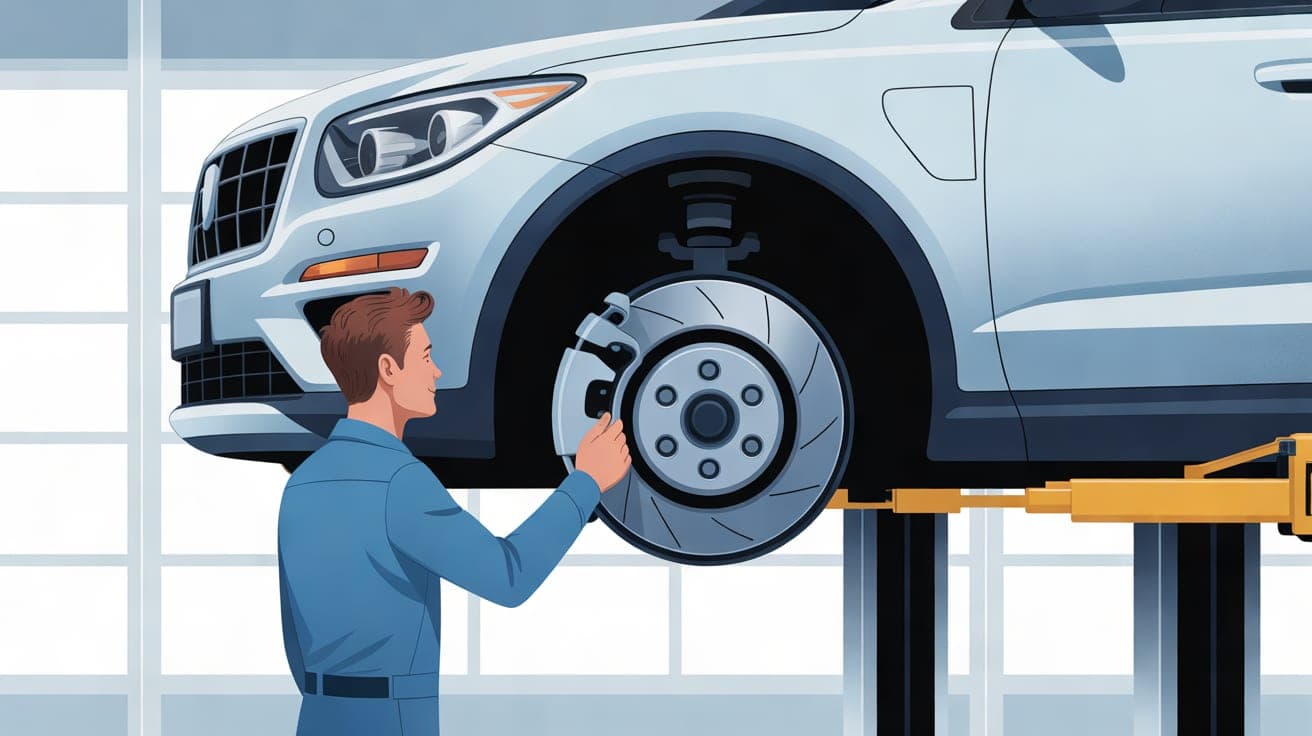
As your vehicle's single most important safety feature, the braking system's effectiveness depends on a chain of components working in perfect harmony. This system is designed to convert kinetic energy (motion) into thermal energy (heat) via friction. When you press the brake pedal, you activate a master cylinder that sends hydraulic fluid through brake lines, creating immense pressure. This pressure forces calipers to clamp brake pads against spinning rotors (or shoes against drums), which generates the friction needed to slow and stop your car. Any delay or failure in this critical process dramatically increases your stopping distance, turning a routine stop into a potential collision. Ignoring early warning signs allows minor issues, like worn pads, to escalate into major failures—such as warped rotors or a complete loss of hydraulic pressure—compromising your safety and leading to far more expensive repairs.
What are Common Signs I Need Brake Service?
Recognizing the early signs of brake trouble allows you to address problems before they become critical safety hazards. Your vehicle will often tell you it needs brake service through specific sounds, sensations, and visual warnings.
- High-Pitched Squealing or Screeching: This is often the first sign. Most brake pads have a built-in wear indicator, which is a small metal tab. When the pad material wears down to a certain level, this tab contacts the rotor, creating a loud squeal as a deliberate audible alert that it’s time for replacement.
- Grinding or Growling Noises: If you hear a deep, metallic grinding sound, stop driving as soon as it is safe to do so. This noise typically means the brake pad friction material has worn away completely, and the metal backing plate is now grinding against the rotor. This causes severe damage to the rotor and can lead to brake failure.
- Spongy or Soft Brake Pedal: A brake pedal that feels soft, goes down further than usual, or sinks to the floor indicates a problem in the hydraulic system. This could be air in the brake lines, a leak, or a failing master cylinder. This symptom requires immediate attention as it signals a loss of braking pressure.
- Vibration or Pulsing in the Pedal or Steering Wheel: If you feel a shuddering or pulsing sensation when you apply the brakes, it's a strong indicator of warped or unevenly worn brake rotors. The brake pads are grabbing an uneven surface, causing the vibration you feel. While the car may still stop, braking performance is reduced, especially from high speeds.
- Vehicle Pulling to One Side: When your car pulls left or right during braking, it can point to a stuck brake caliper, a collapsed brake hose, or unevenly worn pads. This imbalance in braking force is dangerous, as it can make the vehicle unstable during a hard stop.
- Brake Warning Light: A red or yellow brake warning light on your dashboard is an explicit signal from your vehicle’s onboard computer that a problem has been detected. It could signify low brake fluid, a sensor issue, or a problem with the anti-lock braking system (ABS). Do not ignore this light; consult a professional for code-level diagnostics.
How Do I Choose the Best Shop for Auto Brake Repair Near Me?
Choosing the right shop for auto brake repair near me involves more than finding the closest option; it's about finding a partner you can trust with your vehicle's safety. Look for a local brake shop that demonstrates technical expertise, transparent practices, and a commitment to quality. A reputable provider will perform a thorough inspection before giving you a detailed estimate, explaining exactly what needs to be done and why. They should always use high-quality parts that meet or exceed manufacturer specifications and back their work with a solid warranty. Finally, check their reputation through online reviews and confirm they have experience with your specific vehicle, whether it's a family sedan, a work truck, or a heavy-duty diesel vehicle needing specialized care.
What Brake Pad Material is Right for My Vehicle?
The type of brake pad installed in your vehicle is a crucial choice that directly impacts stopping power, noise, and longevity. The best material depends on your specific vehicle and typical driving style. While our technicians can recommend the ideal option, understanding the trade-offs helps you make a more informed decision.
| Pad Material | Key Characteristics | Best For | Considerations |
|---|---|---|---|
| Organic (NAO) | Made from non-asbestos organic materials like rubber, glass, and resins. They are quiet and produce little dust. | Daily commuting and normal driving conditions in lighter vehicles. | Softer material means faster wear and less effective performance in high-heat or heavy-duty situations. |
| Semi-Metallic | Contain 30-65% metal (copper, iron, steel) mixed with fillers. They offer excellent heat transfer and durability. | High-performance driving, trucks, and vehicles used for towing. | Can be noisier, produce more brake dust, and cause more wear on rotors than other types. |
| Ceramic | Composed of dense ceramic fibers and non-ferrous filler materials. They provide stable friction and performance across a wide temperature range. | Drivers prioritizing quiet operation, low dust, and consistent performance for everyday use and spirited driving. | Typically the most expensive option, but offer a superior balance of performance and comfort. |
Definition: What is Brake Fade? Brake fade is the temporary loss of braking effectiveness caused by excessive heat. During a long descent or repeated hard stops, brake pads and rotors can overheat. This heat can cause the pad's friction material to break down and release gases, creating a layer between the pad and rotor that reduces grip. In extreme cases, the heat can even boil the brake fluid, introducing compressible air bubbles into the hydraulic lines and leading to a spongy pedal and severely diminished stopping power.
What to Expect From Your Brake Repair at Mesa Auto & Fleet
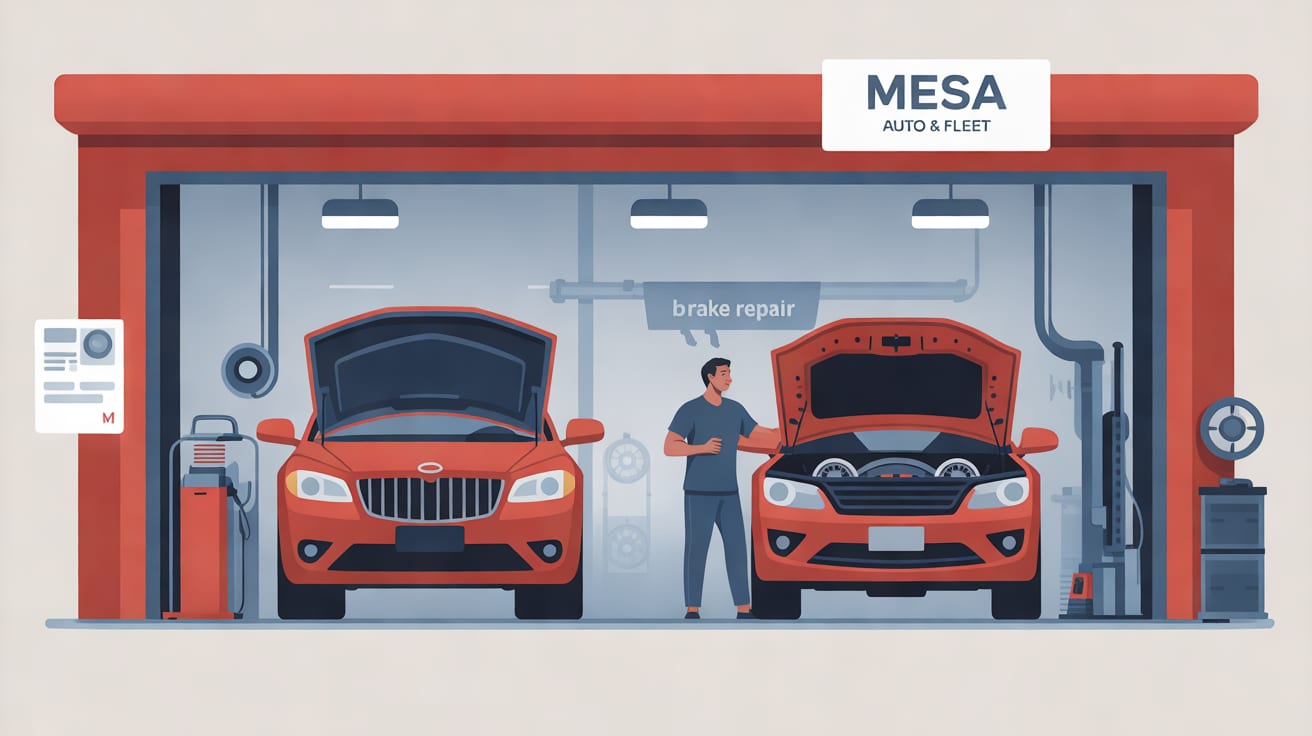
At Mesa Auto & Fleet, a brake visit starts with an inspection of the system, not just the pads. We check pad thickness, rotor condition, caliper function, brake fluid, and the hoses and lines. We explain what is urgent and what can wait, and we give you an estimate before any work. That is the same straight answer we give on every brake repair, whether it is a pad job or an ABS complaint.
From personal cars to entire commercial fleets, we handle it all with the same level of care. Our commitment to clear communication and effective solutions has made us a trusted Mesa auto shop for drivers and businesses alike.
If you're experiencing any of the warning signs of brake trouble, please don't wait. Protect yourself, your passengers, and other drivers by addressing the issue immediately. Schedule a comprehensive brake inspection with the trusted professionals at Mesa Auto & Fleet. You can find us at 416 E Baseline Rd, Suite 6, Mesa, AZ 85204 or call us at (480) 656-2586.
Contact us online or call our shop to book your brake inspection.
Frequently asked questions
How often should I get my brakes checked?
We recommend a professional brake inspection at least once a year or every 12,000 miles. You should also have them checked if you notice any warning signs like squealing, grinding, or a soft pedal. Including this in your regular vehicle maintenance schedule is a smart practice.
What is the difference between brake pads and brake rotors?
Brake pads are the replaceable friction surfaces that press against the brake rotors. The rotors are the metal discs that your wheels are attached to. The friction between the pads and rotors is what stops your vehicle. Pads are designed to wear down over time, while rotors are more durable but can also wear thin or warp.
Can I just replace the brake pads and not the rotors?
Sometimes. If the rotors are still thick enough (within manufacturer specifications) and are not warped or heavily grooved, they can often be resurfaced or reused. However, it is often recommended to replace pads and rotors together to ensure optimal performance, proper pad bedding, and a longer service life for the entire brake job.
Why do my new brakes squeak?
A slight squeak during the first few hundred miles after a brake job can be normal as the new pads "bed in" or mate with the rotor surface. This is often due to the resin in the new pad material curing. If the noise is loud or persistent, it could indicate improper installation or an issue with the hardware, and you should have the work re-inspected.
How long do brake pads typically last?
The lifespan of brake pads varies widely based on the pad material, your driving habits, and the type of vehicle. On average, brake pads can last anywhere from 25,000 to 70,000 miles. Drivers who frequently brake hard or drive in heavy city traffic will wear out their pads faster than those who do more highway driving.