Transmission Maintenance Near Me: Beat Mesa's Heat
Protect your vehicle from Mesa's heat with expert transmission maintenance near you. Learn how regular service prevents costly repairs.
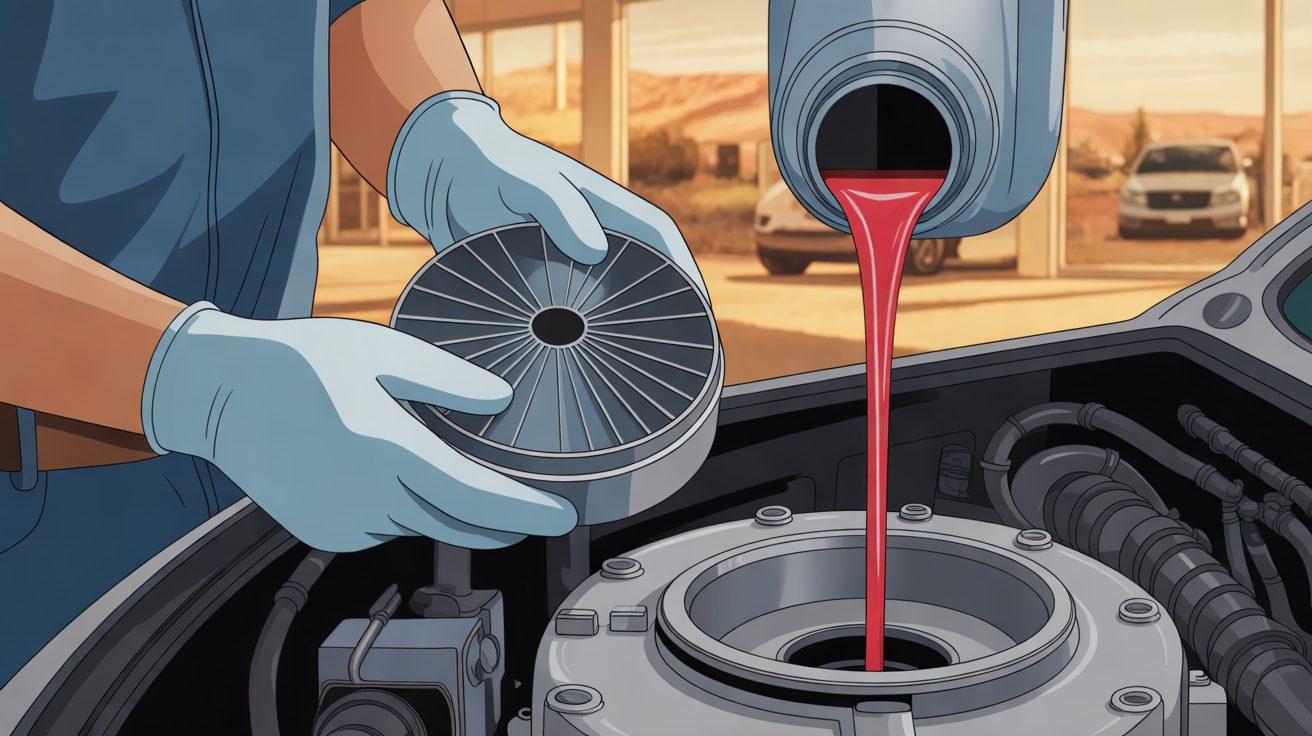
For Mesa drivers, finding expert transmission maintenance near me is crucial. Arizona's extreme heat accelerates fluid breakdown, risking your vehicle’s most complex system. Mesa Auto & Fleet provides comprehensive service for gas and diesel vehicles, preventing costly failures and ensuring reliability on our demanding roads.
Table of contents
- Why is Transmission Maintenance Essential for Mesa Drivers?
- What Does a Quality Transmission Service Actually Involve?
- What's the Difference Between a Fluid Change and a Fluid Flush?
- How Preventive Care Prevents Costly Transmission Repairs
- Frequently Asked Questions
Your vehicle's transmission is an intricate system of gears, hydraulics, and electronics responsible for transferring power from the engine to the wheels. It operates under immense pressure and heat, especially in Mesa's climate. Ignoring its health is a direct path to catastrophic failure and some of the most expensive repairs a vehicle owner can face.
Why is Transmission Maintenance Essential for Mesa Drivers?
Regular transmission maintenance is the single most effective way to prevent premature transmission failure, which is accelerated by Mesa’s high temperatures and stop-and-go city driving. The heat generated during normal operation, amplified by our hot asphalt and ambient temperatures, is the primary enemy of your transmission fluid.
Definition: Automatic Transmission Fluid (ATF) is a specialized oil that lubricates moving parts, cools the transmission, and provides the hydraulic pressure needed to shift gears. Over time, heat causes this fluid to break down, losing its viscosity (its ability to flow and lubricate) and becoming contaminated with microscopic debris from clutch packs and gears.
When the fluid degrades, it can no longer protect internal components effectively. This leads to:
- Overheating: Degraded fluid can't dissipate heat, causing the transmission to run hotter and accelerating wear.
- Shifting Problems: Sludge and varnish can clog narrow hydraulic passages, leading to delayed, harsh, or slipping shifts.
- Component Failure: Without proper lubrication, gears, bearings, and clutch plates wear out rapidly, leading to costly internal damage.
Think of it as an insurance policy. A routine service costs a fraction of what a transmission rebuild or replacement does. For individual drivers and businesses managing fleets, this preventive step is essential for vehicle longevity and budget predictability.
What Does a Quality Transmission Service Actually Involve?
When looking for quality transmission service in Mesa, it's key to find a service that is comprehensive, not just a quick fluid swap. At Mesa Auto & Fleet, a proper transmission service is a multi-step process designed to assess and preserve the health of the entire system.
A thorough service includes these key steps:
- Fluid Evaluation: A technician checks the transmission fluid level and condition. Dark, burnt-smelling fluid is a clear sign of degradation and potential internal issues.
- Pan Removal and Inspection: For serviceable transmissions, the bottom pan is removed. This allows the technician to clean the pan, inspect for metal shavings or clutch material (key indicators of internal wear), and clean the pan magnet.
- Filter Replacement: The old transmission filter, which traps contaminants, is replaced with a new one. A clogged filter can restrict fluid flow, starving the transmission of the pressure it needs to function.
- Gasket and Seal Replacement: The pan gasket is replaced to ensure a leak-free seal.
- Refill with Correct Fluid: The transmission is refilled with the specific type of ATF recommended by your vehicle’s manufacturer. Using the wrong fluid can cause severe damage.
- System Check and Road Test: After the service, the technician checks for leaks, ensures the fluid level is correct, and performs a road test to verify smooth shifting and proper operation.
This is a stark contrast to a simple "drain and fill" that may leave a significant amount of old, contaminated fluid and all the debris in the system.
What's the Difference Between a Fluid Change and a Fluid Flush?
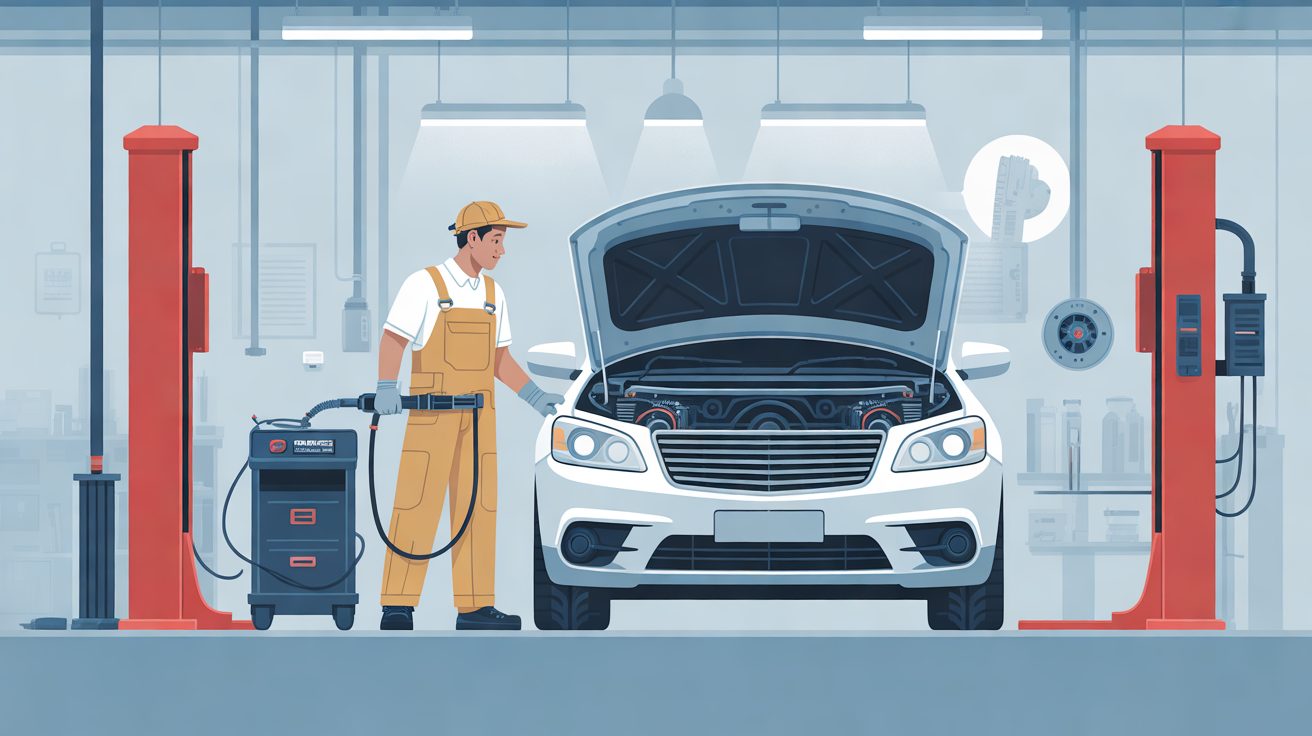
A transmission fluid change and a fluid flush are two different procedures, and choosing the right one depends on your vehicle's condition, mileage, and service history. A standard fluid change (or "pan drop" service) is a routine maintenance task, while a flush is a more aggressive cleaning process.
Here’s how they compare:
| Criteria | Transmission Fluid Change (Pan Drop) | Transmission Fluid Flush |
|---|---|---|
| Procedure | The transmission pan is removed, allowing about 40-60% of the old fluid to drain out via gravity. | A specialized machine connects to the transmission cooler lines, pushing out old fluid while simultaneously adding new fluid. |
| What it Does | Replaces a portion of the old fluid, replaces the filter, and allows for internal inspection of the pan. | Replaces nearly 100% of the transmission fluid, including fluid in the torque converter and cooler lines. |
| Best For | Regular, scheduled maintenance on vehicles with a consistent service history. The inspection is a key benefit. | Vehicles with very dirty fluid that have missed service intervals, but are otherwise mechanically sound. |
| Considerations | Leaves some old fluid in the system. However, it's the manufacturer-recommended procedure for most vehicles. | Can sometimes dislodge built-up sludge in poorly maintained transmissions, potentially causing blockages. Not recommended for high-mileage transmissions with no service history. |
We typically recommend a traditional fluid change and filter replacement as part of a comprehensive vehicle maintenance schedule. It's the safest and most effective method for long-term health. We'll only recommend a flush after a thorough inspection and discussion with you about the specific risks and benefits for your vehicle.
How Preventive Care Prevents Costly Transmission Repairs
Preventive transmission care directly saves you from expensive repairs by addressing the root cause of nearly all transmission failures: fluid breakdown and contamination. By investing in routine maintenance, you stop the chain reaction of wear and tear before it leads to a complete breakdown.
When you neglect service, sludge builds up, seals harden, and clutches begin to slip. These small issues compound until you experience symptoms like shuddering, slipping gears, or a complete inability to move. At that point, you’re no longer looking at maintenance; you’re facing complex transmission repairs that can run into thousands of dollars.
A service every 30,000 to 60,000 miles (check your owner's manual for specifics) keeps the fluid fresh and the internal components protected. This is especially vital for:
- Fleet Vehicles: Constant use puts immense strain on transmissions. Proactive maintenance is key to maximizing uptime.
- Diesel Trucks: The high torque of diesel engines, especially when towing, puts extra stress on the transmission. We provide specialized care for diesel transmissions to handle these demands.
- Any Vehicle in Mesa: Our climate is unforgiving. Heat is the number one killer of transmissions, and fresh fluid is the best defense.
At Mesa Auto & Fleet, we believe in clear communication. We’ll show you the condition of your fluid, explain what we find in the pan, and give you an honest recommendation. Our goal is to keep your vehicle reliable and save you money in the long run.
If your transmission is showing signs of trouble or is simply due for service, don't wait. Proactive care is the smartest investment you can make in your vehicle's longevity.
Ready to schedule your transmission service? Contact Mesa Auto & Fleet — 416 E Baseline Rd, Mesa, AZ 85204 — (480) 656-2586 — today for an honest assessment and expert work.
Frequently Asked Questions
How can I find the best auto repair shop for my needs? The best shop for you is one that communicates clearly, has certified technicians (look for ASE certification), and has a strong reputation for honest work. Look for a full-service shop that can handle everything from routine maintenance to complex diagnostics, ensuring they can grow with your vehicle's needs. Reading recent reviews and asking about their warranty policy are also great steps.
What are the warning signs of transmission trouble? Common warning signs include delayed or harsh shifting, a whining or clunking noise, a burning smell, fluid leaks (often red or brown fluid under the car), or your vehicle slipping out of gear. If you notice any of these, you should have your vehicle inspected immediately.
How much does a typical transmission repair cost? The cost varies dramatically based on the problem. A minor repair like replacing a solenoid might cost a few hundred dollars, while a complete transmission rebuild or replacement can cost several thousand. This is why routine maintenance is so crucial—it helps prevent the major failures that lead to the most expensive repairs.
What is a fair hourly rate for a mechanic in Mesa? Mechanic labor rates in the Mesa area can vary based on the shop's experience, equipment, and certifications. While a specific number changes over time, a rate around $100-$150 per hour is common for a quality, professional shop. Be wary of unusually low rates, as they may indicate a lack of experience or proper diagnostic tools.
How often should I get a transmission fluid change? This depends on your vehicle manufacturer's recommendations, which are found in your owner's manual. A general guideline is every 30,000 to 60,000 miles. For vehicles that operate under severe conditions—like frequent towing, heavy hauling, or constant stop-and-go city driving in Mesa's heat—it's wise to service it more frequently.
What is it called when a mechanic comes to you? This service is typically called a "mobile mechanic." A mobile mechanic travels to your location—be it your home or workplace—to perform maintenance and repairs. While convenient for simple jobs like oil changes or brake work, they are generally not equipped to handle major, complex jobs like transmission overhauls, which require a vehicle lift and specialized tools found in a dedicated repair shop.