
Gas vs. Diesel Work Trucks in Arizona Heat: A Fleet Maintenance Primer
Running work trucks in the Arizona heat? Here's how gas and diesel maintenance needs differ, and how a simple preventive rhythm keeps your fleet on the road.
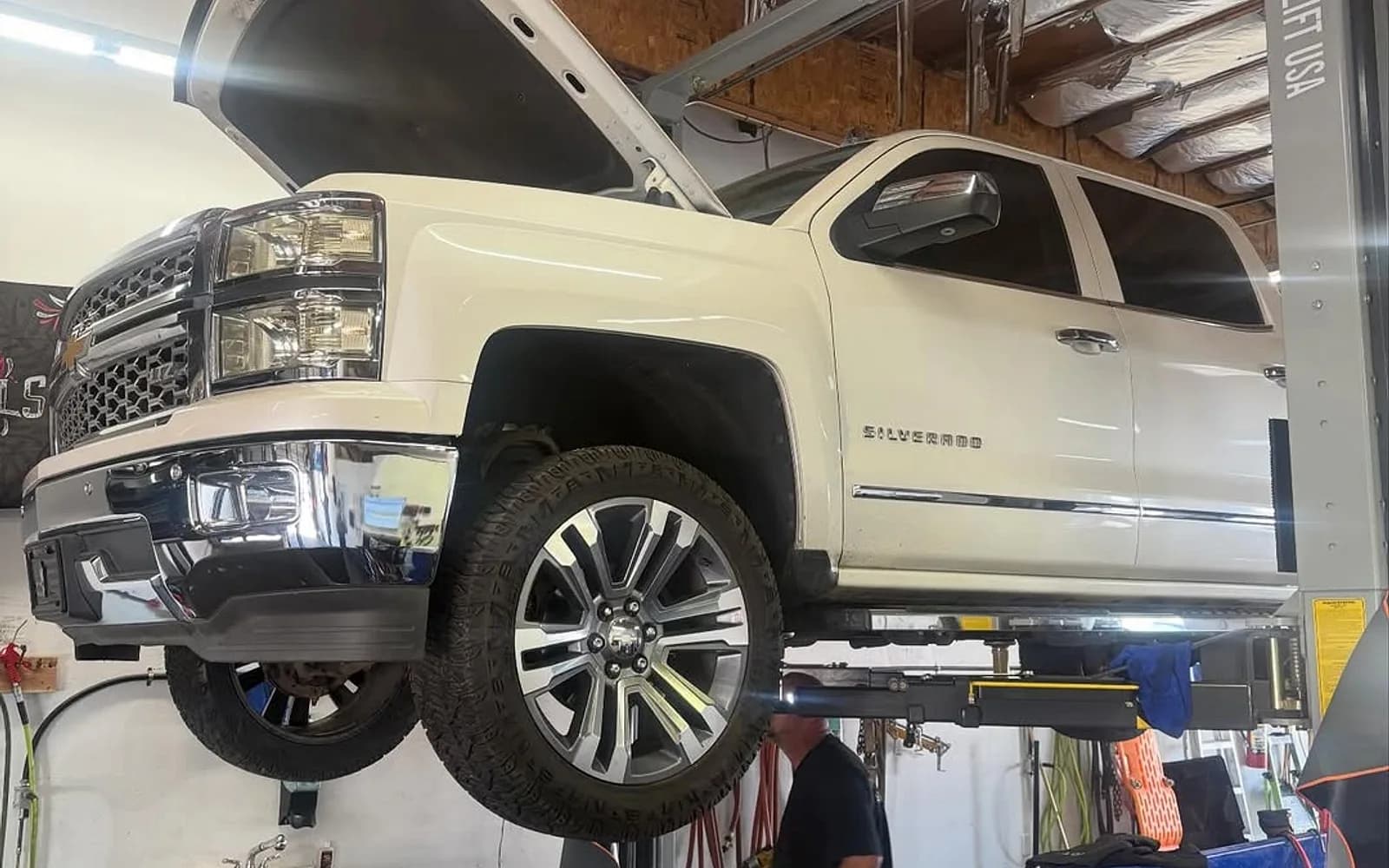
If your business runs work trucks, downtime is the real cost, a truck in the shop isn't earning. In Arizona, the heat adds its own pressure. Here's a practical look at how gas and diesel maintenance differ, and why the rhythm of maintenance matters more than the badge on the tailgate.
The heat is the common enemy
Before gas versus diesel, understand what Arizona does to any vehicle:
- Batteries die faster in extreme heat than in cold.
- Coolant and cooling systems work harder and matter more.
- Oil breaks down faster under sustained high temperatures.
- Belts, hoses, and A/C take a beating.
For a fleet, that means cooling-system health and fluid condition deserve closer attention here than they would in a mild climate, regardless of fuel type.
Where gas and diesel differ
Gas work trucks are generally simpler and less expensive to maintain per visit. For lighter-duty routes, service vans, light hauling, they're often the practical choice.
Diesel work trucks (like Cummins and Ford Power Stroke) tend to earn their keep with heavy towing and high mileage. They ask for disciplined maintenance, fuel and emissions systems, in particular, but reward it with longevity.
Neither is "better" in the abstract. The right answer depends on your routes, your loads, and your mileage.
The thing that actually keeps you running
Whatever you run, the fleets with the least downtime aren't lucky, they're consistent. A simple preventive rhythm catches the small stuff before it strands a driver:
- Oil and fluids on a set interval for how the trucks are actually used
- Cooling-system checks before and during the hottest months
- Battery, belts, and hoses inspected on schedule
- Brakes and tires checked regularly
- A single shop that knows your vehicles, so patterns get caught early
That last point is underrated. When one shop sees your whole fleet over time, they notice the recurring issues and can head them off, instead of every visit starting from scratch.
One shop for a mixed fleet
Plenty of small fleets run a mix, a couple of gas vans, a diesel dually for the heavy jobs. Splitting that across multiple shops means more coordination and less continuity. We handle gas and diesel under one roof, so a mixed fleet has one point of contact and one place that knows the history.
If you'd like to talk through a maintenance plan for your vehicles, tell us about your fleet, no obligation, and we'll give you a straight take on what makes sense.